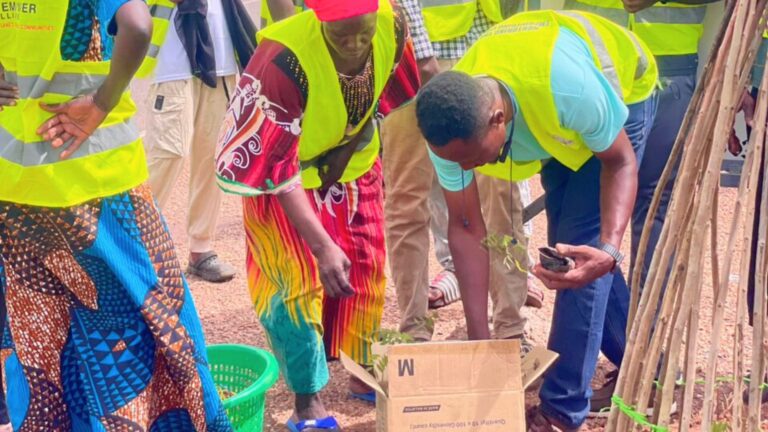

At EcoEmpower Alliance, we believe that real empowerment starts at the grassroots. With people, their daily realities, and the environment they depend on. In collaboration with Global Youth Mobilization through the Youth Empowerment Fund, we launched the Tamale Trash-Formers project: a bold, community-led response to the growing plastic pollution crisis in Northern Ghana.
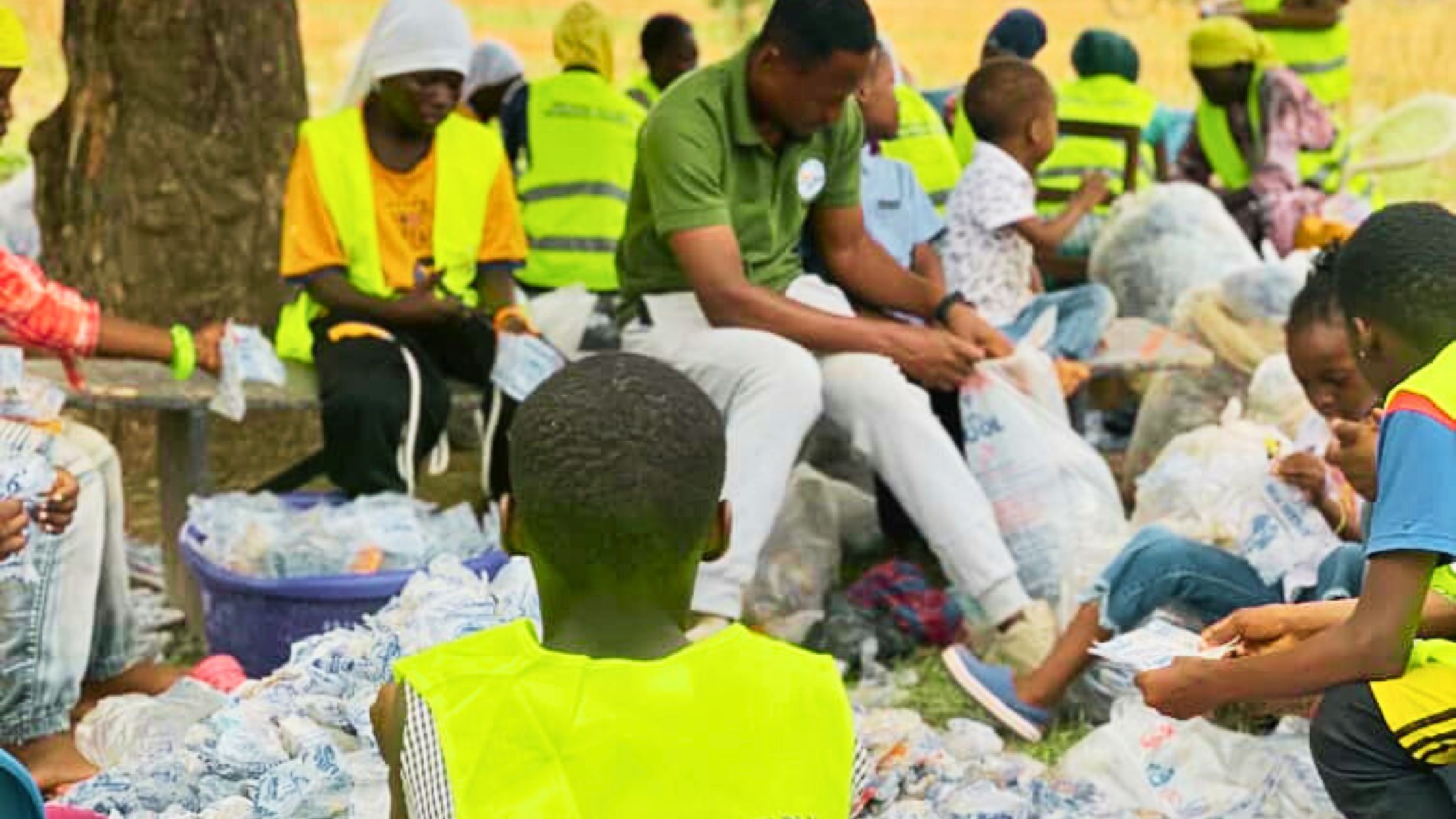
Plastic waste, especially sachet water wrappers, poses a serious threat to the health of our communities, our water sources, and the wider ecosystem. But instead of treating these plastics as mere waste, we saw them as an opportunity, an entry point for women’s empowerment, environmental restoration, and community-based economic growth.
Through the project, we trained 10 seamstresses and 20 plastic collectors, most of whom are women from marginalized backgrounds. They received hands-on training in plastic upcycling, learning how to transform discarded sachets into practical, durable products like school bags, pencil cases, and learning kits. Alongside the technical skills, they were also taught hygiene best practices, entrepreneurship, and how to navigate and thrive within the circular economy.
What makes this project truly meaningful is the dual impact it delivers. On one side, we’re equipping women with skills, confidence, and pathways to dignified livelihoods. Conversely, we’re supporting vulnerable children in orphanages and underserved schools by donating the upcycled items. Many of these children lack access to proper school supplies. These bags and kits offer more than functionality, they represent dignity, inclusion, and a sense of being seen.
The Tamale Trash-Formers initiative is firmly anchored in the values of the UN Sustainable Development Goals—specifically those focused on ending poverty, ensuring quality education, promoting gender equality, access to clean water, decent work, sustainable communities, and climate action.
This is not just about managing waste. It’s about reshaping how we think about plastic, investing in people who are often excluded, and building stronger, more resilient communities from the ground up.